



Ashwagandha for Men: Boosting Testosterone, Energy, and Performance
- Ashwagandha, particularly the KSM-66 extract, is a well-reseoched adaptogen that supports various aspects of men's health.
- Studies indicate Ashwagandha can significantly increase testosterone levels, especially in men with lower baseline levels .
- It has been shown to improve male fertility by enhancing sperm count, motility, and semen volume [10].
- Ashwagandha contributes to increased energy, reduced fatigue, and improved athletic performance, including muscle strength and recovery [8], [10], [20].
- Its adaptogenic properties help manage stress and anxiety, which can indirectly support hormonal balance and overall well-being in men [1], [3], [18].
- For optimal benefits, we recommend a high-quality, standardised extract like Ashwagandha KSM-66 at a consistent daily dosage.
Ashwagandha (Withania somnifera), a revered herb in Ayurvedic medicine, has garnered significant attention in recent years for its wide-ranging health benefits. While its adaptogenic properties are well-known for stress and anxiety relief, its specific impact on men's health — particularly concerning testosterone, energy, and athletic performance — is a subject of growing scientific interest. For centuries, this potent botanical has been used as a 'Rasayana' or rejuvenator, traditionally aimed at promoting vitality and longevity [2], [13]. Today, modern research is beginning to unravel the mechanisms behind these traditional uses, offering compelling evidence for its role in optimising male physiology.
In this comprehensive guide, we'll delve into the scientific literature surrounding Ashwagandha's benefits specifically for men. We'll explore how it may influence hormonal balance, enhance physical capabilities, and contribute to overall well-being, providing you with a thorough understanding of this powerful supplement.
What is Ashwagandha and How Does It Work?
Ashwagandha (Withania somnifera) is a small evergreen shrub native to India, the Middle East, and parts of Africa. It belongs to the Solanaceae family, also known as the nightshade family. The name "Ashwagandha" is derived from Sanskrit, meaning "smell of a horse," alluding to its unique aroma and the traditional belief that consuming it imparts the strength and vitality of a horse.
The therapeutic properties of Ashwagandha are primarily attributed to a group of naturally occurring steroids called withanolides [16]. These compounds are found predominantly in the root of the plant and are responsible for many of its pharmacological actions, including its adaptogenic, anti-inflammatory, antioxidant, and neuroprotective effects [4], [11], [23]. When we talk about high-quality Ashwagandha supplements, we are often referring to extracts standardised for their withanolide content, such as KSM-66.
Ashwagandha works through several complex mechanisms within the body. As an adaptogen, it helps to modulate the body's stress response system, primarily by influencing the hypothalamic-pituitary-adrenal (HPA) axis [3]. The HPA axis plays a crucial role in regulating cortisol, the body's primary stress hormone. By helping to balance cortisol levels, Ashwagandha can mitigate the negative physiological impacts of chronic stress, which include hormonal imbalances, reduced energy, and impaired physical performance [1], [18].
Furthermore, Ashwagandha's impact extends to the endocrine system, which is responsible for hormone production [17]. Research suggests it can influence various hormones, including testosterone, by potentially supporting the function of the adrenal glands and testes. Its antioxidant properties also play a vital role, protecting cells from oxidative damage that can impair cellular function and contribute to aging and disease [13], [23]. This multifaceted action makes Ashwagandha a compelling supplement for men looking to enhance various aspects of their health.
Can Ashwagandha Increase Testosterone Levels in Men?
Yes, a growing body of scientific evidence suggests that Ashwagandha can indeed increase testosterone levels in men, particularly in those experiencing stress or sub-optimal levels. This is one of the most compelling reasons men turn to this ancient herb.
Testosterone is a critical male hormone, playing a pivotal role in maintaining muscle mass, bone density, red blood cell production, libido, mood, and overall energy levels. As men age, testosterone levels naturally decline, often leading to symptoms such as fatigue, reduced muscle strength, decreased libido, and mood changes. Chronic stress can also suppress testosterone production by elevating cortisol, which has an inverse relationship with testosterone [3].
Here's what the research actually shows: Several clinical studies have investigated Ashwagandha's effect on testosterone. For instance, a randomised, double-blind, placebo-controlled study involving men aged 40-70 found that supplementation with Ashwagandha root extract significantly increased testosterone levels compared to placebo . Participants receiving Ashwagandha showed an average increase in serum testosterone, alongside improvements in vitality and reduced fatigue. Another landmark study focused on infertile men, demonstrating that Ashwagandha supplementation led to a significant increase in serum testosterone, luteinising hormone (LH), and follicle-stimulating hormone (FSH) [10]. These hormonal changes were also accompanied by improved semen quality.
The mechanisms behind this testosterone-boosting effect are thought to be multi-pronged. Firstly, by acting as an adaptogen, Ashwagandha helps to reduce stress and lower cortisol levels [1], [18]. High cortisol can inhibit testosterone production, so mitigating stress can indirectly support healthy testosterone synthesis. Secondly, Ashwagandha may directly stimulate the production of testosterone in the testes. Some research suggests it can enhance the activity of enzymes involved in steroidogenesis, the process by which steroid hormones like testosterone are made [10]. Thirdly, its antioxidant properties may protect Leydig cells in the testes from oxidative damage, ensuring they function optimally in producing testosterone [10].
It's important to note that while Ashwagandha appears to be effective, the extent of the increase can vary depending on individual factors such as age, baseline testosterone levels, and overall health status. Men with clinically low testosterone may see more pronounced effects than those with already optimal levels. For men seeking to naturally support their testosterone levels, Ashwagandha KSM-66 offers a well-researched and potent option.
How Can Ashwagandha Improve Male Fertility?
Ashwagandha has a long history of use in traditional medicine for supporting reproductive health, and modern science is now providing robust evidence for its role in improving male fertility. This is particularly relevant given the increasing rates of male infertility globally.
Male fertility is a complex issue, often influenced by factors such as sperm count, sperm motility (the ability of sperm to move efficiently), sperm morphology (the shape and size of sperm), and overall semen quality. Oxidative stress, hormonal imbalances, and chronic stress can all negatively impact these parameters, leading to reduced fertility [10].
Here's how Ashwagandha can help: Several clinical trials have demonstrated Ashwagandha's positive impact on various markers of male fertility. A notable study published in Fertility and Sterility investigated the effects of Ashwagandha in men undergoing fertility screening [10]. The results were impressive: men who received Ashwagandha experienced significant increases in sperm concentration, sperm motility, and semen volume. Crucially, these improvements were correlated with an increase in serum testosterone and a reduction in oxidative stress markers in the seminal plasma [10]. This suggests a dual mechanism of action: directly enhancing sperm production and protecting sperm from damage.
Another study focused on men with oligozoospermia (low sperm count) and found that Ashwagandha supplementation led to a 167% increase in sperm count, a 53% increase in semen volume, and a 57% increase in sperm motility over a 90-day period [10]. These substantial improvements highlight Ashwagandha's potential as a natural intervention for male reproductive health.
The mechanisms underpinning these fertility benefits are multifaceted. Firstly, as discussed, Ashwagandha can increase testosterone levels, which are crucial for spermatogenesis (the process of sperm production) [10]. Secondly, its powerful antioxidant properties help to neutralise reactive oxygen species (ROS) that can damage sperm DNA and impair their function [10], [16]. Oxidative stress is a known contributor to male infertility, so reducing it can significantly improve sperm quality. Thirdly, Ashwagandha's adaptogenic effects help to lower stress and anxiety, which can negatively impact hormonal balance and reproductive function [3], [18]. By creating a more balanced internal environment, Ashwagandha supports the optimal functioning of the reproductive system.
For couples struggling with fertility, or for men simply looking to optimise their reproductive health, Ashwagandha presents a promising natural option. It addresses multiple underlying factors that can contribute to fertility challenges, making it a holistic approach to male reproductive well-being.
Does Ashwagandha Boost Energy and Reduce Fatigue in Men?
Absolutely, Ashwagandha is well-regarded for its ability to boost energy levels and combat fatigue, making it a popular choice for men seeking sustained vitality. Its adaptogenic nature plays a central role in this benefit.
Fatigue, whether physical or mental, can significantly impact a man's quality of life, productivity, and overall well-being. It can stem from various sources, including chronic stress, poor sleep, hormonal imbalances, and intense physical activity. Ashwagandha addresses several of these underlying causes, leading to a noticeable improvement in energy and a reduction in feelings of tiredness.
Here's what the evidence suggests: Clinical studies have shown that Ashwagandha can effectively reduce subjective feelings of fatigue and improve overall energy. A randomised, double-blind, placebo-controlled trial evaluating the effects of Ashwagandha on stress and fatigue in overweight or mildly obese men and women found that the Ashwagandha group reported significant improvements in energy levels and a reduction in fatigue compared to the placebo group . Participants experienced enhanced vitality and a greater capacity to cope with daily stressors. Another review highlighted Ashwagandha's role in improving mental energy, which is crucial for focus and productivity throughout the day [15].
The primary mechanism through which Ashwagandha boosts energy is by enhancing the body's resilience to stress. Chronic stress leads to elevated cortisol levels, which can deplete energy reserves and contribute to adrenal fatigue. By modulating the HPA axis and reducing cortisol, Ashwagandha helps to preserve the body's energy stores and promote a more balanced physiological state [3], [18]. This allows the body to allocate resources more efficiently, leading to increased stamina and reduced exhaustion.
Furthermore, Ashwagandha has been shown to improve sleep quality [19]. Adequate, restorative sleep is fundamental for energy production and combating fatigue. By promoting deeper and more restful sleep, Ashwagandha indirectly contributes to higher energy levels during waking hours [14]. Its impact on mitochondrial function, the "powerhouses" of our cells, may also play a role, as healthy mitochondrial activity is essential for cellular energy production.
For men who often juggle demanding careers, family responsibilities, and fitness goals, maintaining consistent energy levels is paramount. Ashwagandha offers a natural and effective way to support sustained energy, helping to overcome daily fatigue and improve overall vitality.
How Can Ashwagandha Enhance Athletic Performance and Muscle Strength?
For men engaged in regular physical activity, from casual gym-goers to competitive athletes, Ashwagandha offers significant benefits for enhancing athletic performance, increasing muscle strength, and improving recovery. Its adaptogenic and anabolic properties make it a valuable supplement in a fitness regimen.
Optimal athletic performance relies on a combination of physical strength, endurance, efficient recovery, and mental resilience. Factors like muscle damage, oxidative stress, and elevated cortisol after intense exercise can hinder progress and prolong recovery times. Ashwagandha addresses these challenges through several key mechanisms.
Here's a look at the scientific findings: Research indicates that Ashwagandha can lead to measurable improvements in muscle strength and size. A prominent study involving healthy young men undergoing resistance training found that those supplementing with Ashwagandha root extract experienced significantly greater increases in muscle strength (measured by bench press and leg extension) and muscle size (arm and chest circumference) compared to the placebo group [8]. Moreover, the Ashwagandha group also reported a significant reduction in exercise-induced muscle damage, as indicated by lower levels of creatine kinase, an enzyme released when muscles are damaged [8]. This suggests improved recovery and reduced muscle soreness.
Beyond strength, Ashwagandha also appears to enhance cardiorespiratory endurance. A systematic review and meta-analysis on Ashwagandha's effects on physical performance concluded that it could improve maximum oxygen consumption (VO2 max), a key indicator of cardiorespiratory fitness [20]. This means the body can utilise oxygen more efficiently during sustained physical activity, leading to improved stamina and endurance.
The mechanisms behind these performance benefits are multifaceted. Firstly, Ashwagandha's ability to reduce stress and lower cortisol levels is crucial. High cortisol can be catabolic, meaning it breaks down muscle tissue, and can also impair recovery. By mitigating this stress response, Ashwagandha helps to create a more anabolic (muscle-building) environment [3]. Secondly, some studies suggest Ashwagandha may directly influence testosterone levels, which are vital for muscle protein synthesis and strength gains [10]. Thirdly, its antioxidant and anti-inflammatory properties help to reduce exercise-induced oxidative stress and inflammation, accelerating muscle repair and reducing recovery time [4], [23]. This allows for more consistent training and faster adaptation.
For men striving to build muscle, improve endurance, or simply recover more effectively from workouts, Ashwagandha is a powerful ally. It supports the body's natural adaptive processes, allowing for greater physical output and quicker bounce-back.
 The key health benefits associated with Ashwagandha for Men: Boosting Testosterone, Energy, and Performance, supported by peer-reviewed research.
Ashwagandha for Stress, Anxiety, and Cognitive Function in Men
While the focus of this article is on testosterone, energy, and performance, it's crucial to acknowledge Ashwagandha's foundational role in managing stress, anxiety, and supporting cognitive function. These benefits are intrinsically linked to overall male health and can indirectly enhance the physiological aspects discussed.
Men, like women, experience stress and anxiety, which can manifest in various ways, including irritability, difficulty concentrating, sleep disturbances, and even physical symptoms. Chronic stress is a known disruptor of hormonal balance, energy levels, and cognitive performance. Ashwagandha, as a potent adaptogen, directly addresses these issues.
Here's how it impacts mental well-being and brain health: Numerous studies have consistently shown Ashwagandha's efficacy in reducing stress and anxiety. A systematic review and meta-analysis of randomised controlled trials concluded that Ashwagandha supplementation significantly reduces stress and anxiety levels in adults [1], [18]. Participants often report a reduction in perceived stress, improved mood, and a greater sense of calm. This effect is primarily mediated by its ability to modulate the HPA axis, reducing the secretion of cortisol and other stress hormones [3].
Beyond stress reduction, Ashwagandha also shows promise for cognitive enhancement. It has been traditionally used as a nootropic, a substance that enhances brain function [2], [21]. Research suggests it can improve memory, attention, and executive function. For example, a study found that Ashwagandha improved immediate and general memory, as well as attention, in participants [4]. These cognitive benefits are thought to be due to its neuroprotective properties, including its ability to reduce oxidative stress in the brain and promote neuronal growth [11], [21].
For men, maintaining mental clarity and emotional resilience is just as important as physical prowess. The demands of modern life can take a toll, and Ashwagandha offers a natural way to support mental well-being. By reducing stress and anxiety, it can indirectly improve sleep quality, which in turn boosts energy and supports hormonal balance. A calmer, more focused mind can also lead to better decision-making, improved performance in work and personal life, and a greater capacity to handle challenges. This holistic impact on mental and emotional health underpins many of its physical benefits. For a deeper dive into these aspects, we recommend reading our article: Ashwagandha for Stress and Anxiety: A Natural Approach to Calm.
Choosing the Right Ashwagandha: KSM-66 Explained
When it comes to supplementing with Ashwagandha, not all products are created equal. The efficacy and safety of Ashwagandha largely depend on the quality of the extract, its standardisation, and the specific part of the plant used. This is where KSM-66 Ashwagandha stands out as a premium choice.
KSM-66 is a branded, full-spectrum extract of Ashwagandha root, renowned for its high concentration of active compounds, specifically withanolides. It is standardised to contain a minimum of 5% withanolides, ensuring consistent potency and predictable results. What makes KSM-66 particularly unique is its proprietary extraction process, which uses only the root of the Ashwagandha plant and avoids alcohol or synthetic solvents. This method aims to retain the natural balance of the herb's constituents, mirroring the composition of the whole root, rather than isolating a single compound.
Here's why KSM-66 is often considered the gold standard:
- Full-Spectrum Extract: Unlike some extracts that focus on isolating a single active compound, KSM-66 is a full-spectrum extract. This means it contains the natural balance of various active components found in the Ashwagandha root, which many believe contributes to its holistic efficacy and synergy [16].
- High Withanolide Concentration: Standardised to 5% withanolides, KSM-66 ensures a potent and consistent dose of the primary active compounds responsible for Ashwagandha's benefits [8]. This standardisation is crucial for replicating the positive results observed in clinical trials.
- Extensive Clinical Research: KSM-66 is one of the most thoroughly researched Ashwagandha extracts on the market, with numerous human clinical trials supporting its efficacy for stress reduction, cognitive function, athletic performance, and male reproductive health [8] [10]. This robust scientific backing provides confidence in its benefits.
- Root-Only Extract: Traditional Ayurvedic medicine primarily uses the root of Ashwagandha for its therapeutic properties. KSM-66 exclusively uses the root, aligning with traditional practices and ensuring the highest concentration of beneficial compounds [2], [12].
- Safety and Purity: KSM-66 is produced under strict quality control standards, ensuring purity and absence of contaminants. It is also generally well-tolerated, with a good safety profile demonstrated in studies [2], [22].
When selecting an Ashwagandha supplement, opting for a high-quality, standardised extract like KSM-66 is paramount. It ensures you are getting a product that has been rigorously tested and proven effective in human trials. This is precisely why we formulate our Ashwagandha KSM-66 with this premium extract, providing you with a reliable and potent supplement. For a more general overview of Ashwagandha, its benefits, and how it works, you might find our article The Complete Guide to Ashwagandha: Benefits, Dosage, and How It Works helpful.
Dosage and Usage Recommendations for Men
Determining the correct dosage and consistent usage is key to experiencing the full benefits of Ashwagandha, particularly for men targeting testosterone, energy, and performance. While general guidelines exist, individual needs and the specific extract used can influence the optimal approach.
For KSM-66 Ashwagandha, which is a highly concentrated extract, the typical effective dosage in clinical studies ranges from 300 mg to 600 mg per day. This is often split into two doses, such as 300 mg in the morning and 300 mg in the evening, to maintain consistent levels in the body.
Here are our recommendations for men:
- Start Low, Go Slow: If you're new to Ashwagandha, we recommend starting with a lower dose, such as 300 mg per day, for the first week or two. This allows your body to adjust and helps you assess your tolerance.
- Consistent Daily Intake: Ashwagandha is not a stimulant that provides an immediate boost; its benefits accrue over time with consistent daily use. Most studies showing significant improvements in testosterone, fertility, and athletic performance involved supplementation for at least 8-12 weeks [8], [10]. Therefore, patience and consistency are crucial.
-
Timing of Doses:
- For energy and performance: Some men prefer to take their Ashwagandha in the morning or before a workout to support energy and focus throughout the day.
- For stress and sleep: If you're primarily using Ashwagandha for its adaptogenic and calming effects, especially to improve sleep, taking a dose in the evening or before bed can be beneficial [19].
- Split Doses: For overall benefits, splitting the daily dose (e.g., 300 mg in the morning and 300 mg in the evening) can help maintain steady levels of active compounds in your system.
- With or Without Food: Ashwagandha can generally be taken with or without food. Some individuals might prefer to take it with a meal to avoid any potential mild stomach upset, although this is rare with KSM-66.
- Listen to Your Body: Pay attention to how you feel. While Ashwagandha is generally well-tolerated, individual responses can vary. If you experience any adverse effects, consult with a healthcare professional.
- Consult a Healthcare Professional: Especially if you have any underlying health conditions, are taking other medications, or have specific health concerns (e.g., thyroid issues, autoimmune diseases), it's always wise to consult your GP or a qualified healthcare practitioner before starting any new supplement regimen.
| Aspect | General Recommendation (KSM-66) | Rationale |
|---|---|---|
| Daily Dose | 300 mg - 600 mg | Based on clinical studies for efficacy in stress, performance, and hormones [8], [10]. |
| Frequency | Once or twice daily | Splitting doses can maintain consistent levels and address both daytime energy and nighttime sleep. |
| Timing | Morning / Evening | Morning for energy/performance, evening for stress/sleep. Or split for comprehensive benefits. |
| Duration | Minimum 8-12 weeks | Benefits accumulate over time; consistent use is key for significant physiological changes [8], [10]. |
| With Food? | Optional | Can be taken with or without food; with food may reduce mild stomach upset for sensitive individuals. |
Remember, consistency is paramount. Incorporating Ashwagandha into your daily routine, much like any other healthy habit, will yield the best results over time.
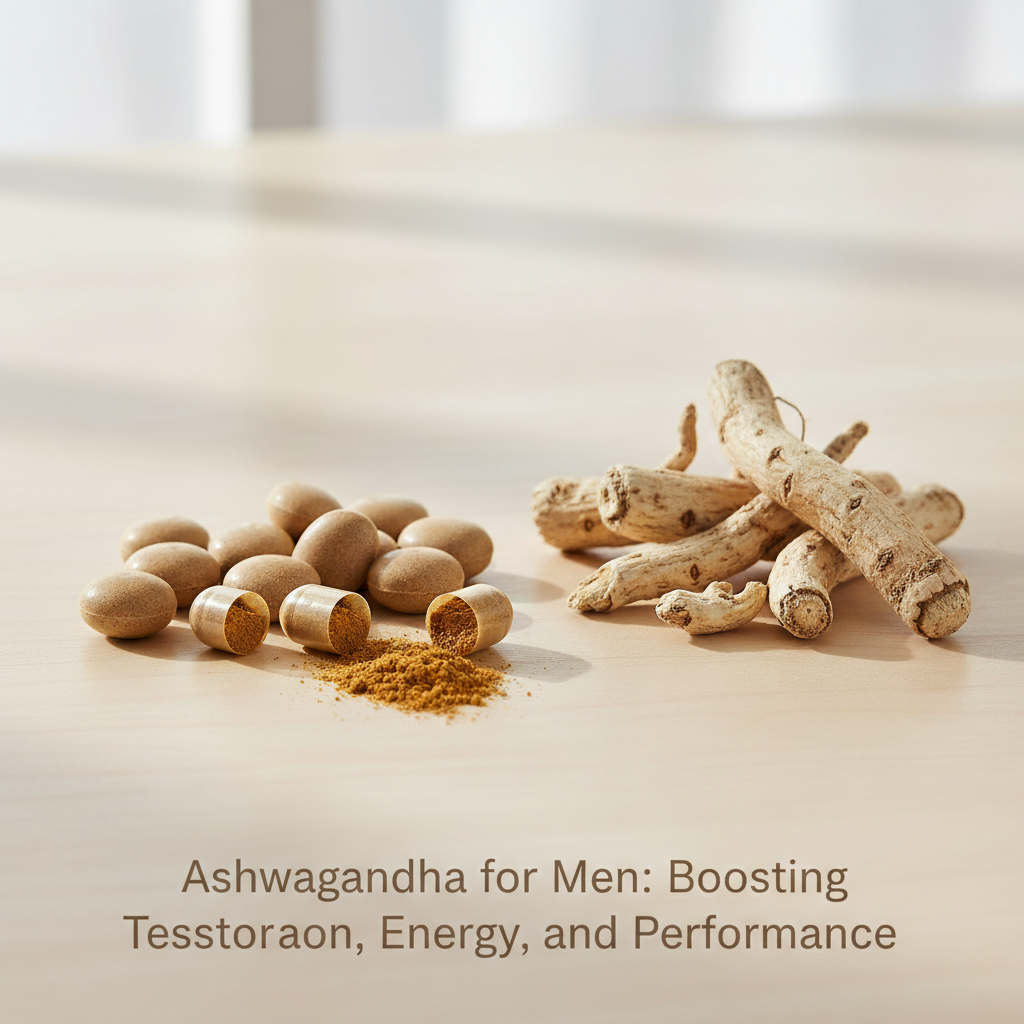 Ashwagandha KSM-66 uses premium-grade Ashwagandha for Men: Boosting Testosterone, Energy, and Performance sourced for maximum bioavailability.
Safety and Potential Side Effects for Men
Ashwagandha, particularly high-quality extracts like KSM-66, is generally considered safe for most healthy men when taken at recommended dosages. Its long history of use in Ayurvedic medicine and numerous modern clinical trials attest to its favourable safety profile [2], [22]. However, like any supplement, it's important to be aware of potential side effects and contraindications.
Here's what we know about the safety and potential side effects: Commonly Reported Side Effects (Rare):
- Mild Digestive Upset: Some individuals may experience mild stomach upset, diarrhoea, or nausea, especially when taking Ashwagandha on an empty stomach or at very high doses. Taking it with food can often mitigate these issues.
- Drowsiness: While Ashwagandha can improve sleep, some people might experience mild drowsiness, particularly if they are sensitive to its calming effects. Adjusting the timing of the dose (e.g., taking it in the evening) can help.
Less Common but More Serious Concerns:
- Liver Injury: There have been very rare case reports of Ashwagandha-induced liver injury, primarily from India and the US [5], [7]. However, these cases are exceedingly rare given the widespread use of Ashwagandha, and often involve individuals taking multiple supplements or having pre-existing liver conditions. It's not a common or widespread side effect, but it's important to be aware of. If you experience symptoms like persistent nausea, dark urine, yellowing of the skin or eyes, or severe abdominal pain, discontinue use and seek medical attention immediately.
- Thyroid Function: Ashwagandha may influence thyroid hormone levels, potentially increasing them [17]. While this can be beneficial for individuals with underactive thyroid (hypothyroidism), it could be problematic for those with overactive thyroid (hyperthyroidism) or those already on thyroid medication. If you have a thyroid condition, consult your doctor before taking Ashwagandha.
- Autoimmune Conditions: As Ashwagandha can modulate the immune system, individuals with autoimmune diseases (such as rheumatoid arthritis, lupus, or Hashimoto's thyroiditis) should exercise caution and consult their doctor before use, as it could theoretically exacerbate symptoms.
-
Interactions with Medications: Ashwagandha may interact with certain medications, including:
- Immunosuppressants: Due to its potential immune-modulating effects.
- Sedatives/Anxiolytics: As it can have calming properties, it might potentiate the effects of sedative medications.
- Blood Sugar Lowering Medications: Ashwagandha may lower blood sugar, so it could interact with diabetes medications.
- Blood Pressure Medications: It may slightly lower blood pressure.
- Thyroid Medications: As mentioned, due to its potential impact on thyroid hormones.
Who Should Avoid Ashwagandha or Use with Caution:
- Pregnant or breastfeeding women (due to insufficient research on safety in these populations).
- Individuals with known allergies to plants in the nightshade family.
- Those with pre-existing liver conditions.
- Individuals with autoimmune diseases.
- Anyone taking prescription medications, especially for thyroid, diabetes, blood pressure, or anxiety/insomnia.
Our Commitment to Safety: At Love Life Supplements, we prioritise the safety and purity of our products. Our Ashwagandha KSM-66 is manufactured to stringent UK GMP and BRC standards, ensuring high quality and minimal risk of contaminants. We always recommend adhering to the suggested dosage and consulting with a healthcare professional if you have any health concerns or are on medication.
Why Choose Love Life Supplements?
When it comes to optimising your health, the quality and purity of your supplements are paramount. At Love Life Supplements, we are committed to providing premium, evidence-based products that you can trust. Our approach is rooted in transparency, scientific integrity, and a deep understanding of nutritional science.
Here's why Love Life Supplements stands out:
- Premium KSM-66 Ashwagandha: We exclusively use KSM-66 Ashwagandha, the most clinically researched and respected Ashwagandha extract available. This ensures you receive a full-spectrum, highly potent product, standardised to 5% withanolides, for consistent and effective results. We believe in providing the best, not just any Ashwagandha.
- Research-Led Formulations: Our products are not based on fads or marketing hype. We meticulously review the latest scientific research to formulate supplements that are genuinely effective and supported by evidence. Every ingredient choice and dosage level is carefully considered based on clinical data.
- Uncompromising Quality and Purity: All Love Life Supplements products, including our Ashwagandha, are manufactured in the UK in facilities that adhere to strict Good Manufacturing Practices (GMP) and BRC standards. This guarantees the highest levels of quality control, purity, and safety, from raw material sourcing to the final product. We conduct rigorous third-party testing to ensure our products are free from contaminants and meet label claims.
- Transparency You Can Trust: We believe you have the right to know exactly what you're putting into your body. We provide clear, detailed information about our ingredients, sourcing, and manufacturing processes. There are no hidden fillers, artificial colours, or unnecessary additives in our formulations.
- British English and UK Focus: As a UK-based brand, we understand the specific needs and preferences of our customers. Our communication, product information, and customer service are tailored to the British market, ensuring a relevant and relatable experience.
- Customer-Centric Approach: Your health journey is our priority. We are dedicated to providing excellent customer service, expert advice, and a supportive community. We're here to help you make informed decisions about your health and well-being.
- Ethical and Sustainable Sourcing: We are committed to sourcing our ingredients responsibly and ethically, ensuring sustainability and fair practices throughout our supply chain.
Choosing Love Life Supplements means choosing a brand that prioritises your health, safety, and trust above all else. We are passionate about helping you optimise your life with supplements that truly make a difference.
Product Spotlight: Love Life Supplements Organic Ashwagandha KSM-66
Ready to experience the benefits of premium Ashwagandha for men's health? Our Organic Ashwagandha KSM-66 is specifically formulated to help you boost testosterone, increase energy, enhance athletic performance, and manage stress.
Key Features of Our Organic Ashwagandha KSM-66:
- Certified Organic KSM-66 Extract: We use only the highest quality, certified organic KSM-66 Ashwagandha root extract, ensuring maximum potency and purity.
- Standardised to 5% Withanolides: Each capsule delivers a consistent and effective dose of the active compounds responsible for Ashwagandha's benefits.
- Optimal Dosage: Designed to provide the clinically studied daily dose for significant results in testosterone, energy, and performance.
- Vegan-Friendly: Encapsulated in plant-based capsules, suitable for vegans and vegetarians.
- Manufactured in the UK: Produced in state-of-the-art facilities adhering to strict UK GMP and BRC standards for unparalleled quality and safety.
- No Fillers or Artificial Additives: Pure, clean formulation free from unnecessary ingredients.
Benefits You Can Expect:
- Testosterone Support: Naturally helps to increase testosterone levels, supporting libido, muscle mass, and overall vitality.
- Enhanced Energy & Reduced Fatigue: Combat daily tiredness and experience sustained energy throughout the day.
- Improved Athletic Performance: Support muscle strength, endurance, and faster recovery from exercise.
- Stress & Anxiety Reduction: Promote a calmer mind and greater resilience to daily stressors.
- Cognitive Function: Support memory, focus, and mental clarity.
How to Incorporate into Your Routine: Take 1-2 capsules daily, preferably with food. For optimal results, consistent use over at least 8-12 weeks is recommended.
Discover the difference with Love Life Supplements Organic Ashwagandha KSM-66 today!
A NOTE FROM BEN, FOUNDER, LOVE LIFE SUPPLEMENTS
As the founder of Love Life Supplements, my journey into the world of health and well-being has always been driven by a passion for optimising human potential. Ashwagandha, particularly the KSM-66 extract, holds a special place in my personal supplement regimen, and it's why we made sure to offer such a high-quality version to our customers.
I've personally experienced the profound impact that chronic stress can have on every aspect of life – from energy levels and focus to physical performance and even hormonal balance. Before I truly understood adaptogens, I often felt wired but tired, struggling to switch off at night and feeling drained during the day. Introducing Ashwagandha KSM-66 into my routine was a game-changer. I typically take 300mg in the morning with my breakfast and another 300mg in the evening, about an hour before bed.
What I've noticed most is a significant improvement in my ability to handle daily stressors without feeling overwhelmed. My sleep quality has deepened, leading to more consistent energy throughout the day, which is crucial for my demanding schedule. In the gym, I've felt a subtle but noticeable improvement in my recovery and overall resilience. It's not a sudden jolt, but rather a steady, underlying support that allows me to perform better and feel more balanced. This isn't about quick fixes; it's about providing your body with the tools it needs to adapt and thrive, and that's precisely what Ashwagandha KSM-66 does for me. It's an essential part of my commitment to an optimised life, and I'm incredibly proud to share this powerful herb with you.

Ben Law
Founder, Love Life Supplements
Frequently Asked Questions (FAQs)
Q1: How long does it take for Ashwagandha to work for men?
A1: Ashwagandha's benefits typically accumulate over time with consistent use. While some individuals may notice subtle improvements in stress reduction or sleep quality within a few weeks, more significant changes, especially concerning testosterone levels, fertility, and athletic performance, usually become apparent after 8-12 weeks of daily supplementation [8], [10]. Consistency is key to experiencing its full effects.
Q2: Can Ashwagandha help with erectile dysfunction (ED)?
A2: While Ashwagandha is not a direct treatment for ED, its ability to reduce stress, improve testosterone levels, and enhance overall vitality can indirectly support healthy sexual function. Stress and low testosterone are common contributors to ED, so by addressing these underlying factors, Ashwagandha may help improve libido and sexual performance for some men [10]. However, for specific medical conditions like ED, it's crucial to consult a healthcare professional.
Q3: Is Ashwagandha safe for long-term use?
A3: Ashwagandha, particularly KSM-66 extract, has a good safety profile and is generally considered safe for long-term use at recommended dosages for most healthy individuals [2], [22]. Studies have shown its safety over periods of several months. However, it's always advisable to consult with a healthcare professional for personalised advice, especially if you have any pre-existing health conditions or are taking other medications.
Q4: Does Ashwagandha affect sleep quality in men?
A4: Yes, Ashwagandha is well-known for its ability to improve sleep quality. It has calming properties that can help reduce anxiety and promote relaxation, making it easier to fall asleep and experience more restorative sleep [19]. Better sleep, in turn, contributes to improved energy levels, hormonal balance, and overall well-being in men.
Q5: Can Ashwagandha cause weight gain?
A5: There is no scientific evidence to suggest that Ashwagandha directly causes weight gain. In fact, some studies indicate it may help with weight management by reducing stress-induced cravings and improving metabolic health . Its ability to increase muscle mass in men engaged in resistance training could lead to an increase in overall body weight, but this would be due to muscle gain, not fat accumulation [8].
Q6: What's the difference between Ashwagandha root powder and KSM-66 extract?
A6: Ashwagandha root powder is simply the dried and ground root of the plant, containing varying levels of active compounds. KSM-66, on the other hand, is a highly concentrated, full-spectrum extract of the Ashwagandha root, standardised to contain a minimum of 5% withanolides. This standardisation ensures consistent potency and efficacy, making KSM-66 a more reliable and potent option compared to raw root powder.
Q7: Can Ashwagandha interact with other supplements or medications?
A7: Yes, Ashwagandha can potentially interact with certain medications and supplements. It may potentiate the effects of sedatives, blood sugar-lowering drugs, and blood pressure medications. It might also affect thyroid hormone levels and interact with immunosuppressants. Always consult your doctor or a qualified healthcare professional before combining Ashwagandha with other supplements or prescription medications to avoid potential interactions.
References
- Does Ashwagandha supplementation have a beneficial effect on the management of anxiety and stress? A systematic review and meta-analysis of randomized controlled trials. — PubMed
- Safety of Ashwagandha Root Extract: A Randomized, Placebo-Controlled, study in Healthy Volunteers. — PubMed
- Effects of Withania somnifera (Ashwagandha) on Stress and the Stress- Related Neuropsychiatric Disorders Anxiety, Depression, and Insomnia. — PubMed
- The benefits of ashwagandha (Withania somnifera) supplements on brain function and sports performance. — PubMed
- Ashwagandha-induced liver injury-A case series from India and literature review. — PubMed
- Exploring the efficacy and safety of a novel standardized ashwagandha (Withania somnifera) root extract (Witholytin®) in adults experiencing high stress and fatigue in a randomized, double-blind, placebo-controlled trial. — PubMed
- Ashwagandha-induced liver injury: A case series from Iceland and the US Drug-Induced Liver Injury Network. — PubMed
- Examining the effect of Withania somnifera supplementation on muscle strength and recovery: a randomized controlled trial. — PubMed
- Clinical evaluation of the pharmacological impact of ashwagandha root extract on sleep in healthy volunteers and insomnia patients: A double-blind, randomized, parallel-group, placebo-controlled study. — PubMed
- Withania somnifera (Ashwagandha) supplementation: a review of its mechanisms, health benefits, and role in sports performance. — PubMed
- Ashwagandha (Withania somnifera)-Current Research on the Health-Promoting Activities: A Narrative Review. — PubMed
- Withania somnifera (L.) Dunal (Ashwagandha): A comprehensive review on ethnopharmacology, pharmacotherapeutics, biomedicinal and toxicological aspects. — PubMed
- Enhancing healthspan with Ashwagandha (Withania somnifera): a comprehensive review of its multifaceted geroprotective benefits. — PubMed
- Dietary Protocols to Promote and Improve Restful Sleep: A Narrative Review. — PubMed
- The Role of Dietary Ingredients in Mental Energy - A Scoping Review of Randomized Controlled Trials. — PubMed
- A comprehensive review on the bioactivity and pharmacological attributes of Withania somnifera. — PubMed
- Can Ashwagandha Benefit the Endocrine System?-A Review. — PubMed
- Effects of Ashwagandha (Withania Somnifera) on stress and anxiety: A systematic review and meta-analysis. — PubMed
- Effect of Ashwagandha (Withania somnifera) extract on sleep: A systematic review and meta-analysis. — PubMed
- Effects of Ashwagandha (Withania somnifera) on Physical Performance: Systematic Review and Bayesian Meta-Analysis. — PubMed
- Ashwagandha in brain disorders: A review of recent developments. — PubMed
- Pharmacological evaluation of Ashwagandha highlighting its healthcare claims, safety, and toxicity aspects. — PubMed
- Ashwagandha's Multifaceted Effects on Human Health: Impact on Vascular Endothelium, Inflammation, Lipid Metabolism, and Cardiovascular Outcomes-A Review. — PubMed