



Lion's Mane Dosage and Timing: Your Guide to Optimal Results
Optimal Lion's Mane dosage typically ranges from 500 mg to 3,000 mg daily, with timing often split between morning and early afternoon to support sustained cognitive function and nerve health. Consistent daily intake for at least 4-12 weeks is crucial, as benefits accumulate over time, supported by its neurotrophic properties.
- Dosage Range: Most human studies suggest an effective daily dose of Lion's Mane extract is between 500 mg and 3,000 mg for cognitive and neurological benefits .
- Active Compounds: The primary bioactive compounds, hericenones and erinacines, are responsible for stimulating Nerve Growth Factor (NGF) production, with concentrations varying by extract type [6].
- Timing Flexibility: Lion's Mane can be taken once daily or split into two doses, with morning and early afternoon being common for sustained focus without affecting sleep .
- Consistency is Key: Noticeable cognitive improvements, such as enhanced memory and mood, typically emerge after 4-12 weeks of consistent daily supplementation [10].
- Extract Potency: Standardised extracts, often containing 20-30% polysaccharides or specific levels of hericenones and erinacines, offer more predictable effects compared to whole mushroom powder [5].
What is Lion's Mane Mushroom and Why is it Gaining Popularity?
Lion's Mane mushroom, scientifically known as Hericium erinaceus, is a remarkable edible and medicinal fungus with a long history of use in traditional East Asian medicine. Its distinctive appearance, resembling a white, shaggy mane, gives it its common name. Beyond its culinary appeal, Lion's Mane has garnered significant attention in recent years for its potential neuroprotective and cognitive-enhancing properties [3].
We've observed a growing interest in natural compounds that support brain health, particularly as we navigate increasingly demanding cognitive landscapes. Lion's Mane stands out due to its unique bioactive compounds, primarily hericenones and erinacines, which are believed to stimulate the production of Nerve Growth Factor (NGF) in the brain [6]. This mechanism is what underpins many of its purported benefits, from improving memory to supporting mood.
The scientific community has begun to explore these traditional claims with modern research methodologies. Early studies, both in vitro and in vivo, have provided compelling evidence for its potential to support neurological function and overall well-being [1], [3]. As a result, Lion's Mane has transitioned from a niche traditional remedy to a widely recognised supplement for cognitive support and general health.
"Lion's Mane mushroom is unique because its bioactive compounds, hericenones and erinacines, have been shown to cross the blood-brain barrier and stimulate NGF synthesis. This makes it a fascinating natural compound for neuroprotection and cognitive enhancement." — Dr. Kawagishi Hirokazu, Researcher in Mycology (Journal of Bioscience and Bioengineering, 2004)
Featured Product
Try It for Yourself

How Does Lion's Mane Work in the Body?
Lion's Mane mushroom exerts its effects primarily through its unique array of bioactive compounds, particularly the diterpenoids known as hericenones and erinacines [6]. These compounds are found in different parts of the mushroom: hericenones predominantly in the fruiting body and erinacines in the mycelium. Both play a crucial role in the mushroom's neurotrophic properties.
"Neurotrophic factors like NGF are essential for neuronal survival and plasticity. Compounds that can cross the blood-brain barrier and stimulate endogenous NGF production — as hericenones and erinacines appear to do — represent a promising avenue for supporting cognitive health as we age."
— Dr. Mark Mattson, Neuroscientist, former Chief of the Laboratory of Neurosciences, National Institute on Aging
These active ingredients are believed to stimulate the synthesis of Nerve Growth Factor (NGF) in the brain [6]. NGF is a protein that plays a vital role in the growth, maintenance, and survival of neurons. By promoting NGF production, Lion's Mane may help support nerve regeneration, protect existing neurons, and potentially enhance neuroplasticity, which is the brain's ability to reorganise itself by forming new neural connections [1]. A study on rats found that an aqueous extract of Hericium erinaceus significantly promoted functional recovery following crush injury to the peroneal nerve [1].
Furthermore, Lion's Mane possesses antioxidant and anti-inflammatory properties, as highlighted in a narrative review [3]. Oxidative stress and chronic inflammation are known contributors to cognitive decline and neurological disorders. By mitigating these factors, Lion's Mane may offer additional protective benefits for brain health. Its complex chemical profile, including polysaccharides, polypeptides, and fatty acids, also contributes to its overall health-promoting effects, such as supporting gut health and immune function [5].
What Are the Key Benefits of Lion's Mane Supplementation?
Lion's Mane mushroom offers a spectrum of potential benefits, predominantly centred around cognitive function and neurological health. Its ability to stimulate Nerve Growth Factor (NGF) production is a cornerstone of these effects [6]. We've seen a consistent pattern in research suggesting improvements across several key areas.
Cognitive Enhancement
One of the most compelling benefits of Lion's Mane is its potential to enhance cognitive function. A double-blind, placebo-controlled study involving healthy younger adults demonstrated that a standardised extract of Hericium erinaceus significantly improved aspects of cognitive performance . Participants showed better scores on tests measuring attention and reaction time, suggesting acute cognitive benefits. Another pilot study indicated that chronic supplementation over 28 days could improve cognitive function and mood in young adults . These findings suggest that Lion's Mane may support mental clarity, focus, and overall brain processing speed.
Neuroprotection and Nerve Regeneration
Lion's Mane has shown promise in protecting neurons and potentially aiding nerve regeneration. Research indicates that its active compounds can promote the repair of damaged nerve cells [1]. For instance, a study found that Hericium erinaceus extract promoted functional recovery after peripheral nerve injury in rats [1]. This neuroprotective capacity is particularly significant for maintaining brain health as we age and for supporting recovery from neurological insults. The mushroom's antioxidant properties also help to shield brain cells from oxidative damage, a major contributor to neurodegeneration [3].
Mood and Stress Support
Beyond cognitive function, Lion's Mane may also play a role in supporting mood and reducing stress. Estrogen deficiency during menopause can lead to neurological symptoms, including depression, and a study on ovariectomised rats found that Hericium erinaceus ameliorated depressive-like behaviour [2]. Another review highlighted its therapeutic potential for depressive disorders, noting its antioxidative and anti-inflammatory properties that may contribute to mood regulation [4]. The pilot study on young adults also reported improvements in mood after chronic supplementation . This suggests Lion's Mane could be a valuable addition for those looking to naturally support their emotional well-being. For more insights, you might find our article on Lion's Mane for Stress and Sleep: Natural Support for a Calm Mind particularly informative.
Gut Health and Immune Support
While primarily known for brain benefits, Lion's Mane also contributes to overall health through its impact on gut and immune function. The mushroom contains various polysaccharides and other bioactive compounds that can act as prebiotics, fostering a healthy gut microbiome [5]. A balanced gut microbiome is intrinsically linked to immune system function and even brain health through the gut-brain axis. Its anti-inflammatory properties, as noted in a comprehensive review, can also extend to the gut lining, potentially supporting digestive comfort and immune response [3].
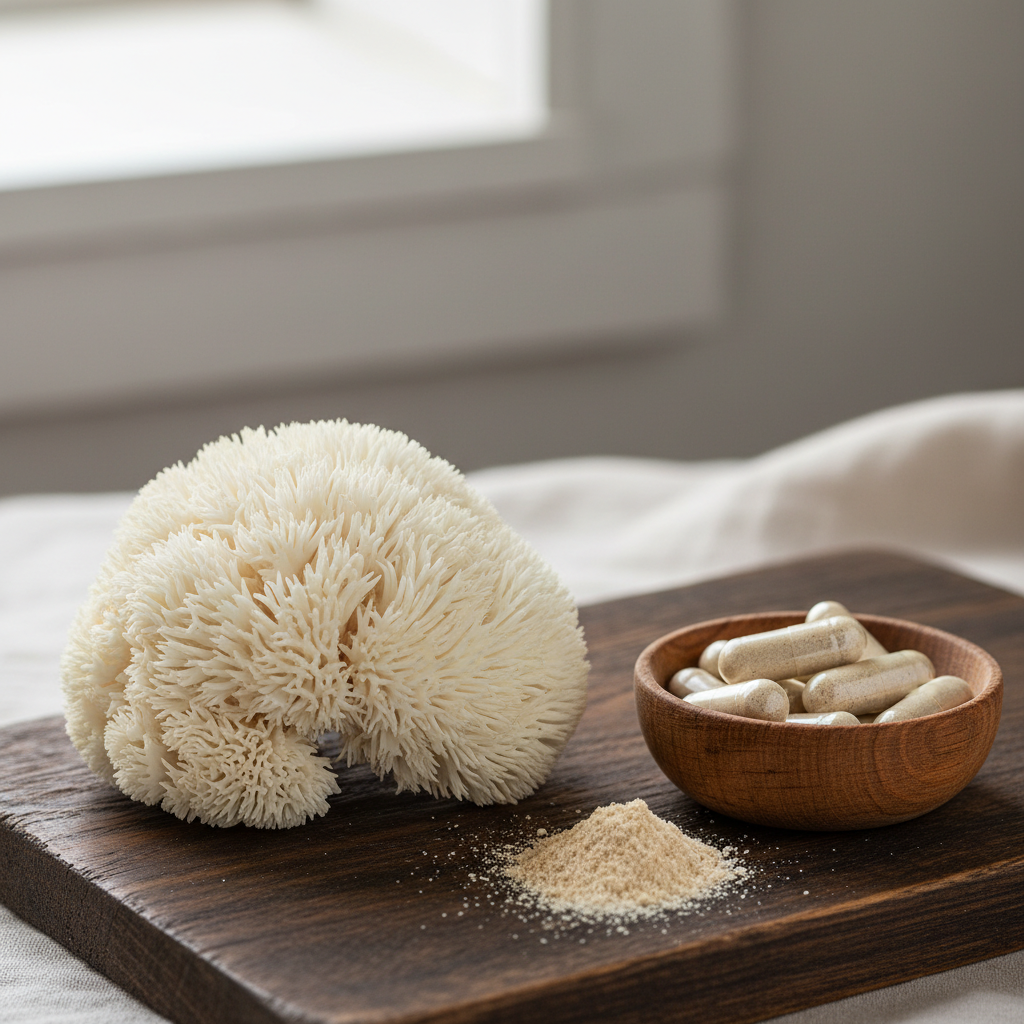 Lion's Mane Mushroom Extract uses premium-grade Lion's Mane Dosage and Timing: Your Guide to Optimal Results sourced for maximum bioavailability.
What is the Optimal Lion's Mane Dosage?
Determining the optimal Lion's Mane dosage is crucial for achieving the desired benefits while ensuring safety. The effective dose can vary depending on the form of Love Life Supplements Lion's Mane, the concentration of active compounds, and the specific health goals. We always advocate for a research-backed approach to supplementation.
“Lion’s Mane is the first ‘smart mushroom’ — its ability to stimulate Nerve Growth Factor production sets it apart from every other functional mushroom. For cognitive support, consistent daily dosing of 500 mg to 1,000 mg of a quality extract is where the research points.”
— Paul Stamets, Mycologist and Author of Mycelium Running
Standard Dosage Recommendations
Based on current human studies, a common and effective daily dosage range for Lion's Mane extract is between 500 mg and 3,000 mg . For general cognitive support and neuroprotection, many individuals start with a dose of 1,000 mg to 2,000 mg per day. A study investigating the acute effects of a standardised extract used a 1,000 mg dose in healthy younger adults and observed cognitive and mood improvements . Another pilot study used 1,000 mg daily over 28 days, reporting cognitive and mood benefits .
It's important to note that these dosages typically refer to concentrated extracts, not raw mushroom powder. The concentration of active compounds, particularly hericenones and erinacines, can vary significantly between products [6]. We recommend looking for supplements that specify the concentration of these key bioactive ingredients or are standardised for polysaccharides, often around 20-30% [5].
Dosage for Specific Goals
- General Cognitive Enhancement: For daily brain support, focus, and memory, a dose of 1,000 mg to 2,000 mg of a high-quality extract is often recommended. This range is supported by studies showing benefits in healthy populations .
- Mood and Stress Support: To address symptoms of mild anxiety or low mood, some studies have used doses in the range of 1,000 mg to 3,000 mg per day [2], [4]. The ameliorating effect on depressive-like behaviour in ovariectomised rats was observed with Hericium erinaceus extract [2].
- Neuroprotection and Nerve Health: For more targeted support related to nerve regeneration or neuroprotection, higher doses, often towards the upper end of the 2,000 mg to 3,000 mg range, may be considered, though human data is still emerging in this specific area [1].
Factors Influencing Dosage
Several factors can influence the appropriate dosage for an individual:
- Product Form and Potency: A 10:1 extract means 10 kg of raw mushroom was used to produce 1 kg of extract, making it significantly more potent than a 1:1 extract or raw powder. Always check the label for extraction ratios or standardised active compounds. For instance, our Lion's Mane Mushroom Extract is a high-potency extract designed for efficacy.
- Individual Sensitivity: Some individuals may be more sensitive to supplements and might prefer to start with a lower dose and gradually increase it.
- Body Weight and Metabolism: While not as critical as for pharmaceuticals, body weight can sometimes play a minor role, with larger individuals potentially requiring slightly higher doses.
- Health Status: Individuals with pre-existing conditions should always consult a healthcare professional before starting any new supplement, including Lion's Mane.
We advise starting with a lower dose, such as 500 mg to 1,000 mg daily, and gradually increasing it over several weeks if needed, while monitoring for desired effects and any potential side effects. Consistency is far more important than taking a very high dose intermittently.
When is the Best Time to Take Lion's Mane?
The timing of Lion's Mane supplementation can influence its effects, particularly concerning cognitive function and energy levels. While there's no single "best" time for everyone, we can offer guidance based on its known mechanisms and user experiences.
Morning Dosage
Many individuals prefer to take Lion's Mane in the morning. This timing aligns with the goal of enhancing cognitive function and focus throughout the workday or during periods requiring mental acuity. Taking it with breakfast can help kickstart brain activity and support sustained concentration. A study on acute effects of Lion's Mane on cognition and mood in healthy adults administered Love Life Supplements Lion's Mane in the morning .
The stimulating effect on Nerve Growth Factor (NGF) production, while not acutely felt like a stimulant, is a process that benefits from consistent presence in the system [6]. Taking it in the morning ensures a steady supply of its active compounds as your day unfolds.
Split Dosing (Morning and Afternoon)
For those seeking more sustained cognitive support or managing higher cognitive demands, a split dose can be beneficial. For example, taking half the daily dose in the morning and the other half in the early afternoon. This approach ensures a more consistent level of active compounds in the body throughout the day, potentially prolonging the benefits of enhanced focus and mental clarity. We generally advise against taking Lion's Mane too late in the evening, as some individuals report a mild stimulating effect that could interfere with sleep, though this is not a universal experience.
With or Without Food?
Lion's Mane can generally be taken with or without food. However, taking it with a meal can sometimes improve absorption and reduce the likelihood of any mild digestive discomfort, which is rare but possible with any supplement. The fat content in a meal might also aid in the absorption of certain fat-soluble compounds within the mushroom extract.
Consistency Over Exact Timing
Ultimately, consistency is paramount. The benefits of Lion's Mane, particularly its neuroregenerative potential, accumulate over time with regular daily intake [1], [10]. Missing a dose occasionally is unlikely to negate long-term benefits, but regular, daily supplementation is key to experiencing its full spectrum of effects. Most studies demonstrating cognitive improvements have involved chronic supplementation over several weeks or months [10].
How Long Does it Take to See Results from Lion's Mane?
Patience and consistency are vital when supplementing with Lion's Mane. Unlike stimulants that provide immediate effects, Lion's Mane works by supporting underlying biological processes, particularly Nerve Growth Factor (NGF) production and neuroplasticity [6]. These changes take time to manifest as noticeable improvements.
Initial Effects (Days to Weeks)
Some individuals report subtle improvements in focus, mental clarity, or mood within the first few days to a couple of weeks of consistent supplementation. A pilot study observed acute cognitive and mood-enhancing effects within 28 days of supplementation in young adults . Another study on acute effects noted cognitive improvements after a single dose, but these were specific to certain cognitive tasks . These initial changes might be due to its adaptogenic properties or its anti-inflammatory and antioxidant effects [3].
Cumulative Benefits (Weeks to Months)
The more significant and sustained benefits of Lion's Mane typically become apparent after 4 to 12 weeks of consistent daily use [10]. This timeframe allows for the gradual stimulation of NGF and the subsequent growth and repair of neural pathways. For example, a study on spatial memory in wild-type mice showed benefits after dietary supplementation with Hericium erinaceus [10]. Similarly, human studies demonstrating improvements in cognitive function and mood often involve supplementation periods of at least 4 weeks .
Long-Term Effects
For conditions requiring more significant neuroregeneration or sustained cognitive support, such as supporting brain health over 50 (as discussed in our article Lion's Mane for the Golden Years: Supporting Brain Health Over 50), continued supplementation over several months or even longer may be beneficial. The neuroprotective effects of Lion's Mane are ongoing, helping to maintain neuronal health and function over time [3]. We recommend integrating Lion's Mane into your daily routine as a long-term strategy for brain health, much like you would with other foundational supplements.
What to Look For in a High-Quality Lion's Mane Supplement?
Choosing a high-quality Lion's Mane supplement is crucial for efficacy and safety. The market is saturated with various products, and understanding what to look for can make a significant difference in your results. We always prioritise transparency, purity, and potency in our formulations.
Fruiting Body vs. Mycelium
This is a critical distinction. The fruiting body is the visible mushroom part, while the mycelium is the root-like network that grows underground or within a substrate.
- Fruiting Body: Contains higher concentrations of hericenones, which are potent NGF stimulators [6]. Fruiting body extracts are generally considered superior for cognitive and neuroprotective benefits.
- Mycelium: While mycelium does contain erinacines, another class of NGF stimulators, many mycelium-based products are grown on grain substrates (like rice or oats). This means the final product can be largely grain starch, diluting the active compounds. A study identified two new cyathane diterpenoids from mycelial cultures, indicating their presence, but the concentration in commercial products varies widely [6].
We recommend opting for supplements made from 100% fruiting body extract to ensure you're getting the most potent and effective compounds. Our Lion's Mane Mushroom Extract is derived solely from the fruiting body.
Extraction Method and Standardisation
A quality supplement should specify its extraction method and ideally be standardised for active compounds.
- Hot Water Extraction: This traditional method effectively extracts water-soluble polysaccharides, which contribute to immune support and overall health benefits [5].
- Dual Extraction (Hot Water + Alcohol): This method is often preferred as it extracts both water-soluble compounds (polysaccharides) and alcohol-soluble compounds (terpenoids like hericenones and erinacines). This ensures a full spectrum of beneficial compounds.
- Standardisation: Look for products that are standardised to a certain percentage of polysaccharides (e.g., 20-30%) or, even better, specify the content of hericenones and erinacines. This ensures consistent potency between batches. A comprehensive overview of Hericium erinaceus chemistry highlights the importance of these compounds [5].
Third-Party Testing and Purity
To ensure safety and quality, look for supplements that undergo third-party testing. This verifies the product's purity, potency, and absence of contaminants like heavy metals, pesticides, and microbial impurities. Certifications such as GMP (Good Manufacturing Practice) and BRC (British Retail Consortium) are strong indicators of quality manufacturing processes.
Organic Certification
An organic certification ensures the mushrooms are grown without synthetic pesticides, herbicides, or fertilisers, contributing to a cleaner and healthier product.
Origin and Sourcing
Understanding where and how the mushrooms are grown can also indicate quality. Reputable brands will be transparent about their sourcing.
Comparison of Lion's Mane Supplement Types
| Feature | 100% Fruiting Body Extract (e.g., Love Life Supplements) | Mycelium on Grain (Common in some brands) | Raw Mushroom Powder (Whole Mushroom) |
|---|---|---|---|
| Source Material | Only the mushroom's fruiting body | Mycelium grown on grain (e.g., rice, oats) | Dried, ground whole mushroom |
| Active Compounds | High in Hericenones, Erinacines, Polysaccharides [6] | Primarily Erinacines, but diluted by grain | Lower concentration of all actives |
| Potency | High, concentrated | Variable, often lower due to grain | Low, requires larger doses |
| NGF Stimulation | Strong potential due to high Hericenones [6] | Moderate to low, depending on grain content | Low |
| Standardisation | Often standardised (e.g., polysaccharides, terpenes) | Rarely standardised for actives | Not applicable |
| Value for Money | Higher initial cost, but more effective per dose | Lower cost, but less effective | Lowest cost, least effective |
| Recommended by LLS | Yes, for optimal benefits | No, due to dilution and lower efficacy | No, for consistent results |
Trusted by Thousands
See Why Customers Love This
Can Lion's Mane Be Combined with Other Supplements? (Stacks)
Combining Lion's Mane with other supplements, often referred to as "stacking," is a popular strategy to achieve synergistic effects and target multiple health goals simultaneously. We often formulate our products with complementary ingredients to maximise benefits.
Popular Stacks and Their Rationale
- Lion's Mane + Cordyceps: This combination is popular for enhancing both cognitive function and physical energy. Lion's Mane supports brain health and focus , while Cordyceps is known for its adaptogenic properties and ability to support energy production and athletic performance [9]. This stack is ideal for athletes or individuals seeking both mental acuity and physical stamina. You can learn more about this in our article Lion's Mane for Peak Performance: A Guide for Athletes and Active Individuals.
- Lion's Mane + Reishi: This stack targets cognitive support alongside stress reduction and immune modulation. Lion's Mane aids in neuroprotection and focus [3], while Reishi is renowned for its calming effects, ability to support restful sleep, and immune-balancing properties. This combination is excellent for managing stress and promoting overall well-being.
- Lion's Mane + Bacopa Monnieri: Bacopa is an adaptogenic herb traditionally used to enhance memory and reduce anxiety. When combined with Lion's Mane, which supports NGF production and neuroplasticity [1], this stack offers a powerful approach to memory enhancement and cognitive resilience.
- Lion's Mane + Omega-3 Fatty Acids (DHA/EPA): Omega-3s, particularly DHA, are crucial for brain structure and function. They support neuronal membrane health and reduce inflammation, complementing Lion's Mane's neuroprotective effects [11]. This stack provides comprehensive support for long-term brain health.
- Lion's Mane + B Vitamins: B vitamins, especially B6, B9 (folate), and B12, are essential cofactors for neurotransmitter synthesis and nerve function. Pairing them with Lion's Mane can provide foundational support for optimal brain chemistry and energy metabolism.
Considerations for Stacking
- Start Slowly: When introducing a new stack, add one supplement at a time to monitor your body's response.
- Dosage Adjustment: Be mindful of the dosages of each component in your stack. Sometimes, a lower dose of individual supplements might be effective when combined.
- Synergistic vs. Redundant: Ensure the supplements in your stack offer synergistic benefits rather than redundant ones. The goal is to enhance effects or target different pathways.
- Consult a Professional: If you are on medication or have underlying health conditions, always consult a healthcare professional before combining supplements.
For a deeper dive into effective combinations, explore our article Lion's Mane Stacks: Combining for Enhanced Cognitive Benefits.
Potential Side Effects and Safety of Lion's Mane
Lion's Mane mushroom is generally considered safe and well-tolerated, with a long history of use in traditional medicine and a growing body of scientific research supporting its safety profile. However, like any supplement, it's essential to be aware of potential side effects and contraindications.
Common Side Effects
Most individuals experience no adverse effects when taking Lion's Mane within recommended dosages. When side effects do occur, they are typically mild and transient:
- Digestive Upset: Some individuals might experience mild digestive discomfort, such as stomach upset, nausea, or diarrhoea, especially when starting supplementation or taking higher doses. Taking Lion's Mane with food can often mitigate these issues.
- Allergic Reactions: As with any mushroom product, there's a rare possibility of an allergic reaction, particularly in individuals with known mushroom allergies. Symptoms might include skin rash, itching, or respiratory issues. If you suspect an allergic reaction, discontinue use immediately and seek medical attention.
- Mild Stimulation: A small number of users report a mild stimulating effect, which is why we generally advise against taking it too late in the evening if you are sensitive to such effects.
Contraindications and Precautions
While Lion's Mane is largely safe, certain individuals should exercise caution or avoid it altogether:
- Blood Clotting Disorders/Medications: Lion's Mane may have mild antiplatelet effects, which could theoretically increase the risk of bleeding in individuals with bleeding disorders or those taking anticoagulant medications (blood thinners) [3]. While the evidence is not strong, it's prudent to consult a doctor in such cases.
- Diabetes Medications: Some animal studies suggest Lion's Mane may lower blood sugar levels [4]. If you have diabetes and are on medication, monitor your blood glucose closely and consult your doctor to adjust medication if necessary.
- Pregnancy and Breastfeeding: There is insufficient research on the safety of Lion's Mane during pregnancy and breastfeeding. As a precautionary measure, we advise against its use during these periods unless specifically recommended by a healthcare professional.
- Surgery: Due to its potential mild antiplatelet effects, it's generally recommended to discontinue Lion's Mane at least two weeks before any scheduled surgery.
Quality and Purity Concerns
The safety of any supplement is also highly dependent on its quality and purity. Contaminated products, especially those not third-party tested, can pose health risks. This is why we emphasise choosing reputable brands that provide transparent sourcing, manufacturing, and testing information. Our commitment to UK manufacturing under GMP and BRC certification ensures the highest standards of quality and safety.
In summary, Lion's Mane is a generally safe supplement for most healthy adults when taken within recommended dosages. However, listening to your body, starting with a lower dose, and consulting a healthcare professional if you have pre-existing conditions or are on medication are always sensible approaches.
Why Choose Love Life Supplements Lion's Mane Mushroom Extract?
At Love Life Supplements, we are committed to providing premium, research-backed supplements that genuinely make a difference to your health. Our Lion's Mane Mushroom Extract is a testament to this commitment, formulated with meticulous attention to quality, purity, and potency.
- 100% Fruiting Body Extract: We exclusively use 100% pure fruiting body extract, ensuring you receive the highest concentration of beneficial compounds, including the crucial hericenones and erinacines, which are vital for stimulating Nerve Growth Factor (NGF) [6]. Many brands use mycelium grown on grain, which can dilute the active ingredients with starch.
- High Potency Standardisation: Our extract is standardised to contain a minimum of 30% polysaccharides, providing a consistent and effective dose of these immune-modulating and health-supporting compounds [5]. This standardisation guarantees you're getting a potent product with every capsule.
- Dual Extraction Method: We employ a dual extraction process (hot water and alcohol) to capture the full spectrum of beneficial compounds, including both water-soluble polysaccharides and alcohol-soluble triterpenes and diterpenoids like hericenones [5]. This ensures maximum bioavailability and efficacy.
- UK Manufactured & Third-Party Tested: Our Lion's Mane Mushroom Extract is manufactured in the UK under strict Good Manufacturing Practice (GMP) and BRC (British Retail Consortium) certification. Every batch undergoes rigorous third-party testing for purity, potency, and absence of contaminants such as heavy metals, pesticides, and microbes, providing you with complete peace of mind.
- No Fillers or Artificial Ingredients: We believe in clean supplementation. Love Life Supplements Lion's Mane Mushroom Extract contains no unnecessary fillers, binders, artificial colours, flavours, or preservatives. It's a pure, potent extract designed for optimal results.
We believe that when it comes to supporting your brain health, compromise isn't an option. Our Lion's Mane Mushroom Extract is crafted to deliver the highest quality and effectiveness, helping you unlock your cognitive potential.
Product Spotlight: Love Life Supplements Lion's Mane Mushroom Extract
Enhance your cognitive function and support nerve health with our premium Lion's Mane Mushroom Extract. Sourced from 100% fruiting bodies and standardised for maximum potency, Love Life Supplements Lion's Mane is designed to deliver optimal results. Experience improved focus, memory, and mood with a product you can trust.
Discover Love Life Supplements Lion's Mane Mushroom Extract Today!
A NOTE FROM BEN, FOUNDER, LOVE LIFE SUPPLEMENTS
When we decided to introduce Lion's Mane to our range, it wasn't a casual decision. We spent considerable time researching the science, pouring over studies, and understanding the nuances of extraction and sourcing. My personal journey into health and optimisation has always been driven by a desire for tangible results, and I wanted to ensure our Lion's Mane delivered on its promise.
I've personally found Lion's Mane to be an indispensable part of my daily routine, particularly for maintaining mental clarity and focus. As a founder, my days are often packed with decision-making and creative problem-solving, and I've noticed a significant difference in my ability to stay sharp and articulate throughout the day. I typically take 2 capsules (1000mg) in the morning with my breakfast, which sets me up perfectly for the day ahead without any jitters or energy crashes. On days where I need an extra boost for deep work in the afternoon, I might take an additional capsule. It’s not about a sudden rush, but a subtle, sustained enhancement of cognitive function that truly supports productivity and overall well-being. This commitment to quality and efficacy is at the heart of every product we offer at Love Life Supplements.

Ben Law
Founder, Love Life Supplements
Frequently Asked Questions (FAQ)
What is the recommended daily dosage of Lion's Mane?
The recommended daily dosage for Lion's Mane extract typically ranges from 500 mg to 3,000 mg, depending on the concentration and individual goals . For general cognitive support, 1,000 mg to 2,000 mg daily of a high-quality fruiting body extract is a common starting point.
Can I take Lion's Mane every day?
Yes, Lion's Mane can be taken daily. Its benefits, particularly those related to neuroprotection and cognitive enhancement, accumulate over time with consistent daily supplementation, with noticeable effects often appearing after 4-12 weeks [10].
Is it better to take Lion's Mane in the morning or at night?
Most people prefer to take Lion's Mane in the morning or split the dose between morning and early afternoon to support sustained cognitive function throughout the day . While generally not stimulating, some individuals report a mild energising effect, so taking it too close to bedtime might interfere with sleep for a few.
How long does it take for Lion's Mane to start working?
Initial subtle effects like improved focus or mood might be noticed within a few days to weeks . However, the more significant cognitive and neuroprotective benefits, driven by Nerve Growth Factor (NGF) stimulation, typically become apparent after 4 to 12 weeks of consistent daily use [10].
What should I look for in a good Lion's Mane supplement?
A high-quality Lion's Mane supplement should be made from 100% fruiting body extract, ideally dual-extracted, and standardised for active compounds like polysaccharides (e.g., 30%) or hericenones [5], [6]. Look for third-party tested products from reputable brands that are transparent about their sourcing and manufacturing processes.
Are there any side effects of taking Lion's Mane?
Lion's Mane is generally well-tolerated. Rare and mild side effects can include digestive upset or allergic reactions in individuals sensitive to mushrooms [3]. It's advisable to consult a healthcare professional if you have pre-existing conditions or are on medication, especially blood thinners or diabetes medication.
Can Lion's Mane interact with medications?
While generally safe, Lion's Mane may have mild antiplatelet effects, potentially interacting with blood-thinning medications [3]. It might also affect blood sugar levels, requiring caution for individuals on diabetes medication [4]. Always consult your doctor before combining supplements with prescribed medications.
What is the difference between fruiting body and mycelium?
The fruiting body is the visible mushroom part, rich in hericenones and polysaccharides [6]. Mycelium is the root-like network, containing erinacines, but often grown on grain, which can dilute the active compounds in the final product. Fruiting body extracts are generally considered more potent and effective.
Don't Miss Out
Ready to Feel the Difference?
References
- Neuroregenerative potential of lion's mane mushroom, Hericium erinaceus (Bull.: Fr.) Pers. (higher Basidiomycetes), in the treatment of peripheral nerve injury (review). — PubMed
- Ameliorating Effect of the Edible Mushroom Hericium erinaceus on Depressive-Like Behavior in Ovariectomized Rats. — PubMed
- Lion's Mane Mushroom (Hericium erinaceus): A Neuroprotective Fungus with Antioxidant, Anti-Inflammatory, and Antimicrobial Potential-A Narrative Review. — PubMed
- Therapeutic Potential of Hericium erinaceus for Depressive Disorder. — PubMed
- Chemistry, Nutrition, and Health-Promoting Properties of Hericium erinaceus (Lion's Mane) Mushroom Fruiting Bodies and Mycelia and Their Bioactive Compounds. — PubMed
- Two New Cyathane Diterpenoids from Mycelial Cultures of the Medicinal Mushroom Hericium erinaceus and the Rare Species, Hericium flagellum. — PubMed
- The Acute and Chronic Effects of Lion's Mane Mushroom Supplementation on Cognitive Function, Stress and Mood in Young Adults: A Double-Blind, Parallel Groups, Pilot Study. — PubMed
- Acute effects of a standardised extract of Hericium erinaceus (Lion's Mane mushroom) on cognition and mood in healthy younger adults: a double-blind randomised placebo-controlled study. — PubMed
- Comparative Iron biofortification in Hericium erinaceus: A study of different ionic forms and their uptake efficiency. — PubMed
- Dietary Supplementation of Lion's Mane Medicinal Mushroom, Hericium erinaceus (Agaricomycetes), and Spatial Memory in Wild-Type Mice. — PubMed
- Prenatal Maternal Docosahexaenoic Acid (DHA) Supplementation and Newborn Anthropometry in India: Findings from DHANI. — PubMed