


We've been looking into essential amino acids (EAAs) and how they fit into our general health and fitness routines. It turns out these nine amino acids, which our bodies can't produce on their own, are pretty important for all sorts of things, from muscle repair to how well our brains work. This article aims to break down what EAAs really are, what the science says about them, and how we might use them to support our bodies.
Key Takeaways
- Essential amino acids (EAAs) are the nine amino acids our bodies cannot make themselves, but they are vital for muscle repair, growth, and many other bodily functions. Without them, our systems just don't work as well.
- EAAs are a more complete package than BCAAs (Branched-Chain Amino Acids) because they include all nine essential ones, giving the body all the necessary building blocks for repair and growth.
- Getting enough EAAs can help with muscle upkeep and growth, reduce that sore feeling after a workout, and even give us a bit more energy and mental clarity.
- We can get EAAs from foods like eggs, chicken, fish, dairy, soy, and quinoa. However, for those on plant-based diets or with other dietary limits, supplements can be a useful way to make sure all nine are covered.
- For athletes, regular exercisers, people with specific dietary needs, or older adults looking to maintain muscle, supplementing with EAAs can offer noticeable benefits for recovery and overall health.
Understanding The Science of Essential Amino Acids
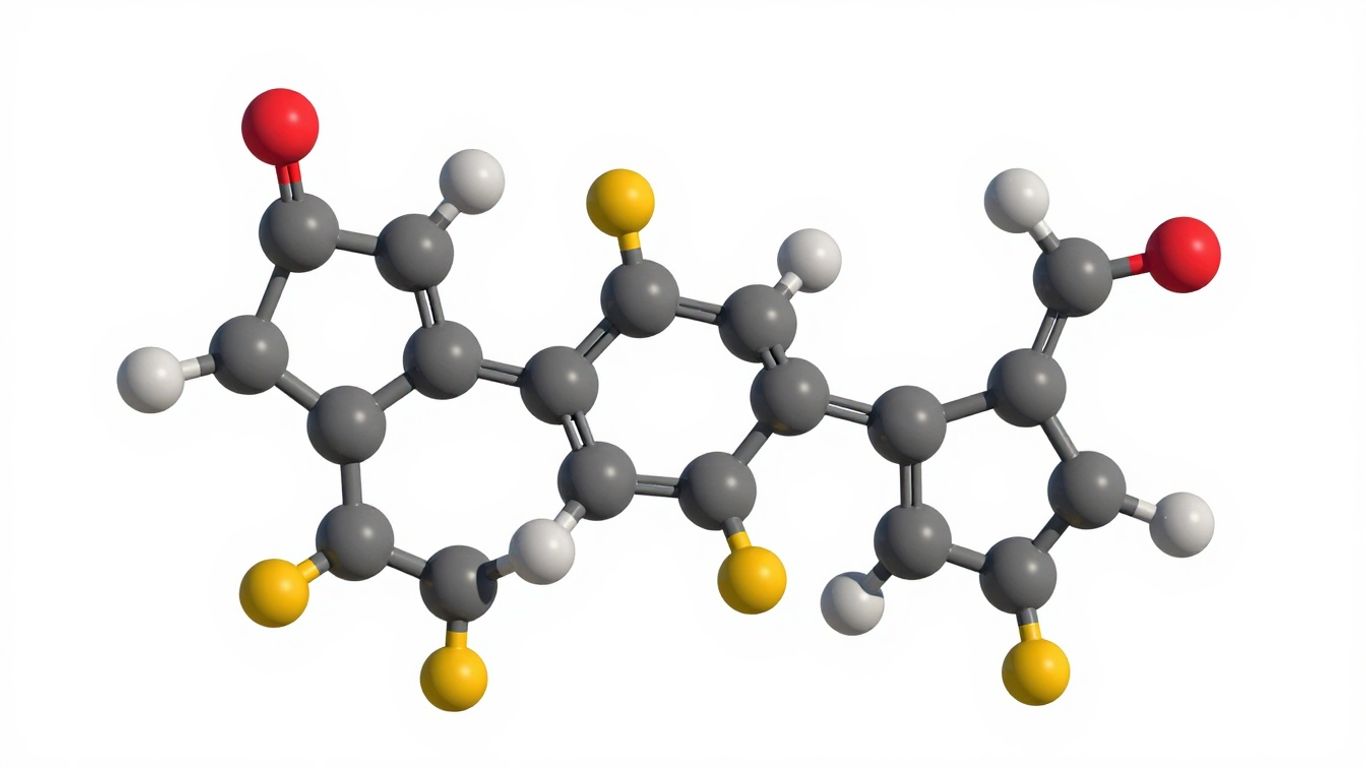
We often hear about amino acids being the building blocks of protein, and that's certainly true. However, not all amino acids are created equal when it comes to how our bodies obtain them. Out of the 20 common amino acids, our bodies can actually produce about half of them internally. The remaining half are what we refer to as essential amino acids. These nine compounds are absolutely necessary for our bodies, but crucially, we cannot synthesise them ourselves. This means we must obtain them through the food we consume or via supplements. They are, in essence, the 'perfect amino acids' that our systems rely on for a multitude of functions.
What Are Essential Amino Acids?
Essential amino acids (EAAs) are the nine amino acids that our bodies require for proper functioning but cannot manufacture on their own. They must be acquired through our diet. Think of them as vital components that our bodies cannot create, making their dietary intake paramount. The importance of essential amino acids lies in their role as the fundamental units for protein synthesis, which is critical for virtually all bodily processes, from building and repairing tissues to producing enzymes and hormones. Without a consistent supply, our bodies simply cannot operate at their best [Lopez & Mohiuddin, 2022 – StatPearls].
The Nine Vital Amino Acids
The specific nine essential amino acids are histidine, isoleucine, leucine, lysine, methionine, phenylalanine, threonine, tryptophan, and valine. You might recognise leucine as one of these; it's particularly well-known for its significant role in muscle protein synthesis. Together, these nine form the complete set that our bodies are unable to synthesise. It's important to get all of them because they work synergistically to help build proteins, which are used for nearly everything in our bodies, from muscle tissue to enzymes [National Research Council, 1989 and Wolfe RR 2017].
Why Are They 'Essential'?
The term 'essential' directly highlights their dietary necessity. Without a regular supply from our diet, our bodies simply cannot function optimally. They are required for a multitude of bodily processes, including muscle protein synthesis, which is how our muscles repair and grow after exercise [Hulmi et al., 2010]. They also play roles in immune function, hormone production, and even neurotransmitter synthesis, which affects our mood and cognitive function [Church et al., 2020].
Without these specific amino acids, our bodies would struggle to perform basic functions. It's not just about building muscle; it's about maintaining overall health and ensuring our systems run smoothly day to day. The process of how our bodies absorb these nutrients is also a key area of study in nutritional science, looking at protein quality and absorption kinetics.
Here's a quick look at the nine:
- Histidine
- Isoleucine
- Leucine
- Lysine
- Methionine
- Phenylalanine
- Threonine
- Tryptophan
- Valine
The Crucial Roles Essential Amino Acids Play
When we talk about our bodies, it's easy to focus on the big picture, but the real magic often happens at a much smaller scale. Essential amino acids (EAAs) are prime examples of this; they're the unsung heroes behind many of our daily functions. We often hear about them in relation to muscle, and that's certainly a major part of their job, but their influence stretches much further.
Supporting Muscle Protein Synthesis
It's no secret that EAAs are vital for muscle. When we engage in physical activity, especially resistance training, our muscle fibres experience tiny tears. To repair and rebuild these fibres, making them stronger, our bodies rely heavily on a steady supply of EAAs. Think of them as the primary construction materials for muscle tissue. Leucine, in particular, is known to be a key trigger for muscle protein synthesis (MPS), the process by which our cells build new proteins. Without adequate EAAs, this repair and growth process can be significantly slowed down, impacting recovery and muscle development.
Beyond Muscle: Other Bodily Functions
While muscle is a significant area of impact, EAAs are involved in a much wider array of bodily processes. They are integral to the creation of enzymes and hormones that regulate countless functions. For instance, they play a part in maintaining a healthy immune system, helping our bodies fend off illness. They also contribute to the general maintenance and repair of all body tissues, not just muscle. They are, in essence, the body's constant repair crew, working to keep everything in good working order.
Impact on Cognitive Health
It might come as a surprise, but EAAs also have a notable effect on how our brains function. Certain EAAs act as precursors to neurotransmitters, the chemical messengers that enable our nerve cells to communicate with each other. For example, phenylalanine is a precursor to tyrosine, which is then used to create dopamine and norepinephrine. These neurotransmitters are important for mood, focus, and alertness. A lack of specific EAAs can therefore lead to feelings of fatigue, reduced mental sharpness, or even changes in mood. So, making sure we get a full spectrum of EAAs supports not only our physical health but our mental well-being too.
Essential Amino Acids Versus Branched-Chain Amino Acids
When we talk about amino acids, you'll often hear about two main groups: Essential Amino Acids (EAAs) and Branched-Chain Amino Acids (BCAAs). It's easy to get them mixed up, but understanding the difference is quite important for knowing what your body really needs.
Defining BCAAs
BCAAs are a specific subset of the EAAs. There are three of them: leucine, isoleucine, and valine. They get their name from their unique molecular structure, which has a sort of 'branch' to it. These three are particularly well-known for their role in muscle metabolism and recovery. You'll often see them mentioned in relation to muscle building and repair, and for good reason. They are indeed vital components for these processes.
How EAAs Differ from BCAAs
The main difference is pretty straightforward: EAAs are the complete set, while BCAAs are just a part of that set. Remember, there are nine EAAs that our bodies can't make, and we need all of them for various functions, including building new proteins. BCAAs are three of those nine EAAs. So, while BCAAs can kickstart muscle protein synthesis, the process can stall if the other EAAs aren't present. Think of it like building a house; you need all the different types of bricks to complete the structure, not just three specific ones. Research suggests that while BCAAs can initiate muscle protein synthesis, the process is limited without the presence of the other EAAs.
Here's a quick look at how they stack up:
| Feature | Essential Amino Acids (EAAs) | Branched-Chain Amino Acids (BCAAs) |
|---|---|---|
| Number of Amino Acids | Nine | Three (Leucine, Isoleucine, Valine) |
| Body Synthesis | Cannot be produced by the body | Cannot be produced by the body (subset of EAAs) |
The Advantage of a Complete EAA Profile
Because EAAs include all nine essential amino acids, they offer a more comprehensive approach. Consuming a full spectrum of EAAs means your body has all the necessary building blocks readily available. This supports not only muscle protein synthesis but also a range of other bodily functions, from neurotransmitter production to immune support. For instance, leucine, one of the BCAAs, is a key trigger for muscle protein synthesis, but without the other EAAs, the repair and growth process is limited. Having all nine EAAs available means your body has everything it needs to get the job done properly.
While BCAAs are often highlighted for their role in muscle protein synthesis, they are only a part of the larger picture. A complete profile of all nine essential amino acids is necessary for optimal protein synthesis and a wide array of other bodily functions. Relying solely on BCAAs might mean missing out on the full benefits that a balanced intake of all EAAs can provide.
Who Benefits Most From Essential Amino Acids?
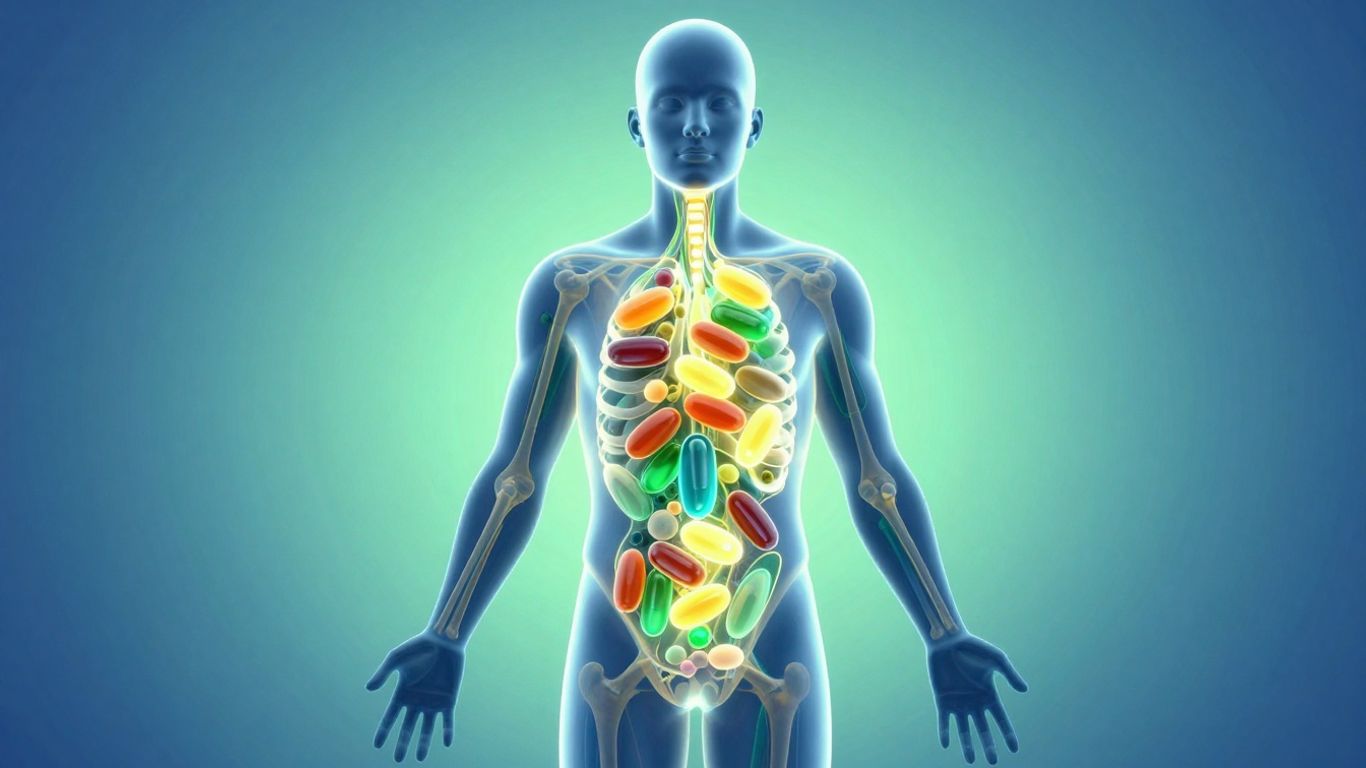
While everyone needs essential amino acids (EAAs) for basic bodily functions, certain groups tend to see more pronounced benefits from supplementation. It's not just for the hardcore gym-goer, though they certainly fall into this category. We've found that individuals facing specific dietary challenges or those pushing their bodies particularly hard often experience a significant positive impact.
Athletes and Regular Exercisers
If you're someone who trains regularly, especially with weights, EAAs are pretty important. They're the basic building blocks for muscle protein synthesis, which is how our muscles fix themselves and grow after a workout. Without enough EAAs, this whole process can slow down. Taking an EAA supplement can help make sure your body has what it needs to start recovering and keep your muscles in good shape, even between tough training sessions. This is also true for endurance athletes who need sustained energy and muscle protection.
Individuals with Dietary Restrictions
People following specific diets, like veganism or vegetarianism, might find it a bit harder to get a full range of EAAs from their food. While plant-based diets are great, some protein sources might be a bit low in certain EAAs. For example, a vegan diet might need a little help to bridge this gap. Also, if you're on a diet to cut calories, you might struggle to eat enough protein. In this situation, EAA supplements can be a practical way to keep your lean muscle mass without adding a lot of extra calories.
Older Adults and Muscle Health
As we get older, maintaining muscle mass becomes increasingly important for overall health and mobility. Muscle protein synthesis can naturally decline with age, making it harder to preserve muscle. Studies have shown that amino acid supplements, including EAAs, may help older adults combat muscle loss and improve strength and recovery. This can make a real difference in maintaining independence and quality of life.
The body's use of amino acids is complex, and ensuring an adequate intake of all nine essential amino acids is key for optimal function, especially for those with increased demands or dietary limitations.
| Group | Potential Benefit |
|---|---|
| Athletes | Enhanced muscle repair and recovery |
| Individuals with | Bridging nutritional gaps, preserving muscle mass |
| Dietary Restrictions | |
| Older Adults | Support for muscle maintenance and strength |
Key Benefits of Essential Amino Acid Supplementation
When we consider adding supplements to our routines, it's natural to wonder what tangible benefits they might bring. For essential amino acids, or EAAs, the advantages are quite clear, especially when we look at how they support our bodies. An essential amino acid supplement can offer a convenient way to ensure we're getting the full spectrum of these vital compounds.
Enhancing Muscle Growth and Repair
EAAs are the fundamental building blocks for muscle tissue. They play a direct role in muscle protein synthesis (MPS), the process by which our bodies build and repair muscle. Leucine, one of the EAAs, is particularly important as it acts like a switch, signalling the body to start building muscle. Research has shown that supplementing with EAAs can significantly boost MPS, especially when combined with resistance training. This means that after a tough workout, your muscles can start repairing and growing more effectively. While BCAAs have been popular, EAAs provide the complete set of amino acids needed for full muscle repair, making them a more comprehensive choice.
Reducing Muscle Soreness and Fatigue
We've all experienced that post-workout soreness, often called DOMS (delayed onset muscle soreness). EAAs can help to lessen this discomfort. Studies suggest that taking EAAs can reduce the severity of muscle soreness and help preserve muscle strength after strenuous exercise. This is because EAAs aid in the recovery process, helping to reduce inflammation and damage caused by intense training. By speeding up recovery, EAAs allow us to get back to training sooner and with less discomfort. They also play a role in energy production, which can help combat feelings of fatigue during and after exercise, potentially improving endurance. For instance, supplementation with high-fat diet-derived EAAs has shown promise in improving metabolic health and reducing inflammation, which could indirectly aid in recovery.
Supporting Cognitive Function and Energy
It might surprise some to learn that EAAs also have a significant impact on our brain function. Certain EAAs are precursors to neurotransmitters, the chemical messengers that allow our nerve cells to communicate. For example, phenylalanine is a precursor to tyrosine, which in turn is used to make dopamine and norepinephrine, neurotransmitters vital for mood, focus, and alertness. A deficiency in specific EAAs can therefore manifest as fatigue, reduced mental sharpness, or even mood disturbances. Ensuring we get a full spectrum of EAAs supports not just our physical health, but our mental well-being too. This is why understanding our essential amino acid dietary needs is so important for overall health.
Taking essential amino acids can really help your body out. They're like the building blocks for muscles and can help you recover faster after exercise. Plus, they play a big role in keeping your energy levels up and your mind sharp. If you're looking to boost your overall health and fitness, giving these important nutrients a try might be a great idea. Want to learn more about how they can benefit you? Visit our website today!
Wrapping Up Our Look at Essential Amino Acids
So, we've gone through what essential amino acids are and why they matter. It turns out these nine compounds are pretty important for keeping our bodies running smoothly, not just for building muscle but for all sorts of other jobs too. While we can get them from food, sometimes getting enough can be a bit tricky, especially if our diets aren't perfectly balanced. For many of us, especially those who are active or have specific dietary needs, supplements can be a useful way to make sure we're getting all the EAAs we need. It’s not a magic bullet, of course, but understanding what our bodies need and how to get it is a good step towards better health.
Frequently Asked Questions
What exactly are essential amino acids?
We can think of amino acids as the tiny building blocks that make up proteins. Our bodies are clever enough to create about half of the different types of amino acids we need. However, there are nine specific ones that our bodies can't produce on their own. These are called essential amino acids, and we must get them from the food we eat or through supplements to keep our bodies working properly.
Why are these nine amino acids called 'essential'?
The name 'essential' simply means that they are absolutely necessary for our health, and our bodies cannot make them. We need a steady supply of them from our diet to carry out many important jobs, like building muscle, keeping our immune system strong, and even helping our brains function well. Without them, our bodies wouldn't be able to perform these vital tasks effectively.
How are essential amino acids different from BCAAs?
BCAAs, which stands for Branched-Chain Amino Acids, are a specific group of three essential amino acids: leucine, isoleucine, and valine. While they are important, especially for muscles, they are only a part of the bigger picture. Essential amino acids (EAAs) include all nine that our bodies need. So, while BCAAs help, having all nine EAAs ensures our bodies have all the necessary building blocks for complete protein creation and repair.
Who might benefit the most from taking essential amino acid supplements?
While everyone needs essential amino acids, certain people can see extra benefits from supplements. Athletes and those who exercise regularly often use them to help muscles recover and grow. People with diets that might be low in certain amino acids, such as vegans or vegetarians, can also find them helpful. Older adults might also benefit as they can help maintain muscle health.
Can essential amino acids help with muscle growth and recovery?
Yes, absolutely. Essential amino acids are the direct building blocks for muscle tissue. They play a key role in muscle protein synthesis, which is how our muscles repair and get stronger after exercise. Taking EAAs, especially around workouts, can help speed up this process, reduce muscle soreness, and improve overall recovery, allowing us to train more effectively.
What are the best food sources for essential amino acids?
We can get all nine essential amino acids from a variety of foods. Good sources include animal products like meat, poultry, fish, eggs, and dairy. For those following plant-based diets, foods such as soy, quinoa, beans, nuts, and seeds can provide EAAs, though it's important to ensure a varied diet to get a complete profile.

Founder of Love Life Supplements and host of the Optimised Health Show. Ben focuses on bridging nutrition science and daily performance for both body and mind. Learn more about Ben.